The 1960s was a transformative decade, marked by significant social, cultural, and political changes. Rock music played a crucial role in this transformation, influencing and reflecting the era’s dynamic spirit. This article delves into the social and cultural impact of 1960s rock music, highlighting its role in shaping society and youth culture.
Social and Cultural Impact
The Rise of Rock Music in the 1960s
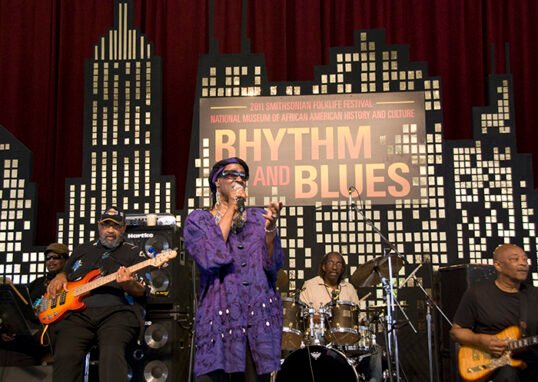
The 1960s saw the rise of rock music as a dominant cultural force. Bands like The Beatles, The Rolling Stones, and The Who, along with artists like Bob Dylan and Jimi Hendrix, revolutionized the music scene with their innovative sounds and powerful messages. The British Invasion, led by The Beatles, brought a new wave of rock music to the United States, further solidifying its influence.
The Role of Folk Rock
Artists like Bob Dylan merged folk music with rock, creating a new genre that addressed contemporary social and political issues. Dylan’s songs, such as “Blowin’ in the Wind” and “The Times They Are a-Changin’,” became anthems for the civil rights movement and anti-war protests, showcasing the power of music to drive social change.
Rock Music as a Catalyst for Social Change
Rock music in the 1960s was more than just entertainment; it was a catalyst for social change. The genre’s rebellious spirit and anti-establishment lyrics resonated with the youth, who were increasingly disillusioned with traditional societal norms and eager for change.
Civil Rights Movement
Rock music played a significant role in the civil rights movement. Songs with powerful messages about equality and justice helped galvanize support for the movement. Artists like Sam Cooke and Nina Simone used their music to address racial injustices and inspire activism.
Anti-War Protests
The Vietnam War sparked widespread anti-war protests, with rock music serving as a rallying cry for peace. Songs like “Fortunate Son” by Creedence Clearwater Revival and “Give Peace a Chance” by John Lennon became synonymous with the anti-war movement, uniting people in their opposition to the war.
The Counterculture Movement
The 1960s saw the emergence of the counterculture movement, characterized by a rejection of mainstream values and an embrace of alternative lifestyles. Rock music was at the heart of this movement, providing a soundtrack for the era’s revolutionary spirit.
Hippie Culture
The hippie movement, with its emphasis on peace, love, and communal living, was closely linked to rock music. Events like the Monterey Pop Festival and Woodstock brought together thousands of young people to celebrate music and promote ideals of harmony and freedom. Artists like Jimi Hendrix, Janis Joplin, and Jefferson Airplane became icons of the hippie movement.
Psychedelic Rock
Psychedelic rock, with its experimental sounds and mind-altering lyrics, reflected the counterculture’s interest in exploring new consciousness. Bands like The Grateful Dead and Pink Floyd pushed the boundaries of rock music, creating immersive and transformative musical experiences.
Fashion and Lifestyle
Rock music also influenced fashion and lifestyle in the 1960s. The youth adopted the styles of their favorite rock stars. Thus leading to the popularization of trends like long hair, tie-dye clothing, and bell-bottom jeans. The fashion of the era became a symbol of individuality and rebellion against conventional norms.
Music Festivals
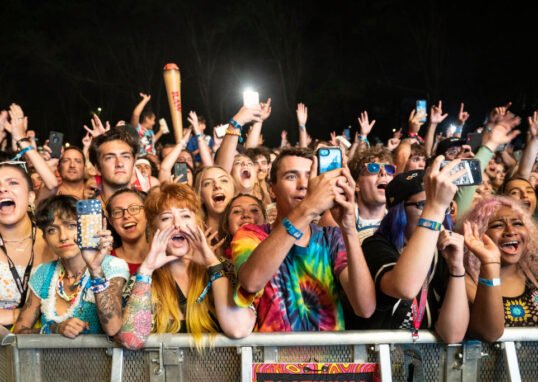
The 1960s saw the rise of music festivals as cultural landmarks. Festivals like Woodstock and the Monterey Pop Festival were more than just concerts; they were gatherings that celebrated peace, love, and music. These events showcased the power of rock music to bring people together and create a sense of community.
The Lasting Legacy of 1960s Rock
The impact of 1960s rock music extends beyond the decade. The themes of freedom, social justice, and anti-establishment sentiment continue to resonate in contemporary music and culture. The pioneering artists of the 1960s laid the groundwork for future generations. Therefore inspiring countless musicians and shaping the course of popular music.
Influence on Modern Music
Modern rock, alternative, and indie music all bear the influence of 1960s rock. Bands like U2, Radiohead, and The Black Keys draw inspiration from the innovative sounds and rebellious spirit of the 1960s, ensuring that the legacy of that transformative era lives on.
Conclusion
In conclusion, the social and cultural impact of 1960s rock music is undeniable. It served as a powerful force for change, challenging societal norms, and inspiring movements for civil rights, peace, and individual expression. The music of the 1960s not only reflected the era’s revolutionary spirit but also played a crucial role in shaping the world we live in today.
Classic rock sounds are known for its powerful, raw, and dynamic sound, characterized by iconic guitar riffs, energetic drumming, and memorable vocals....